€13.95*
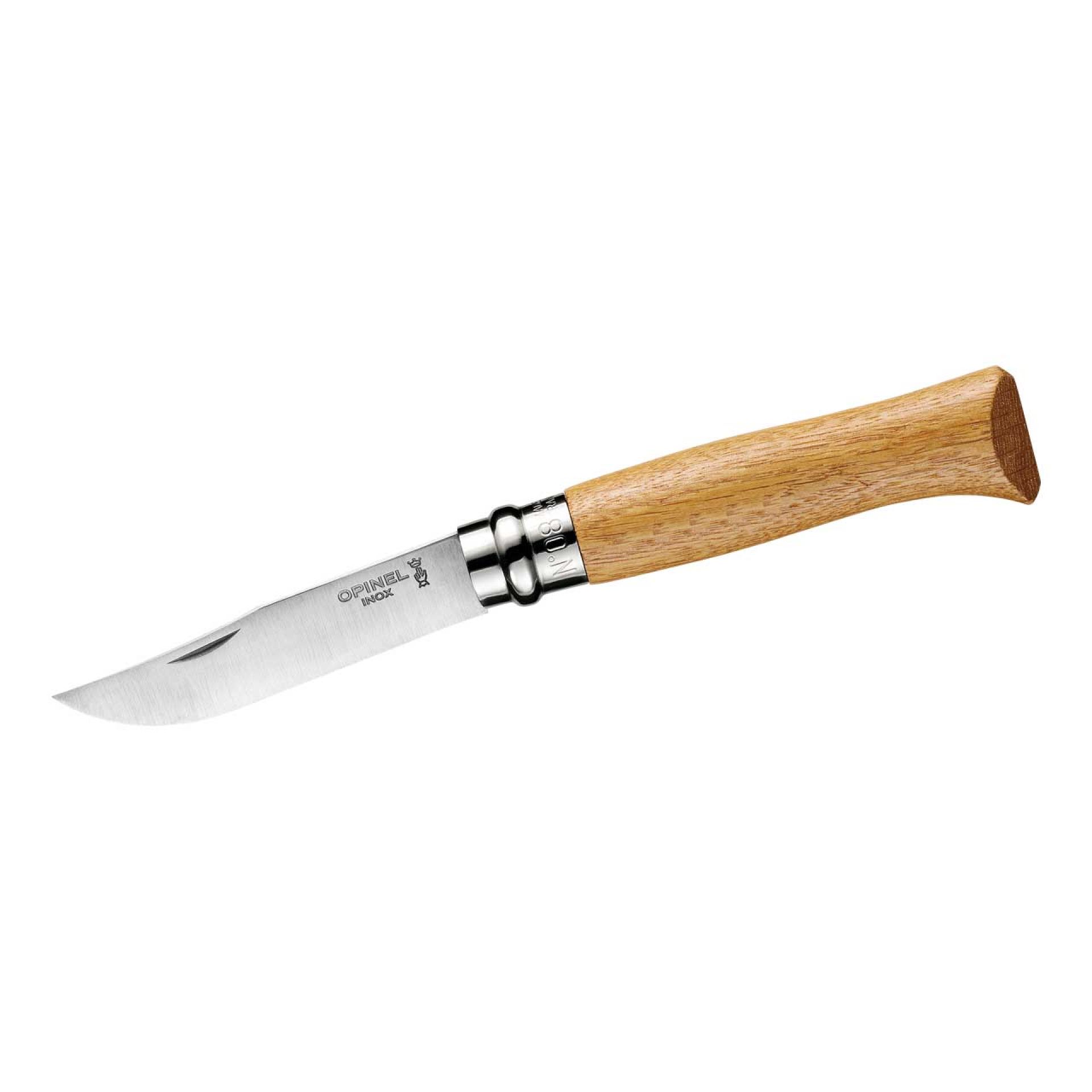
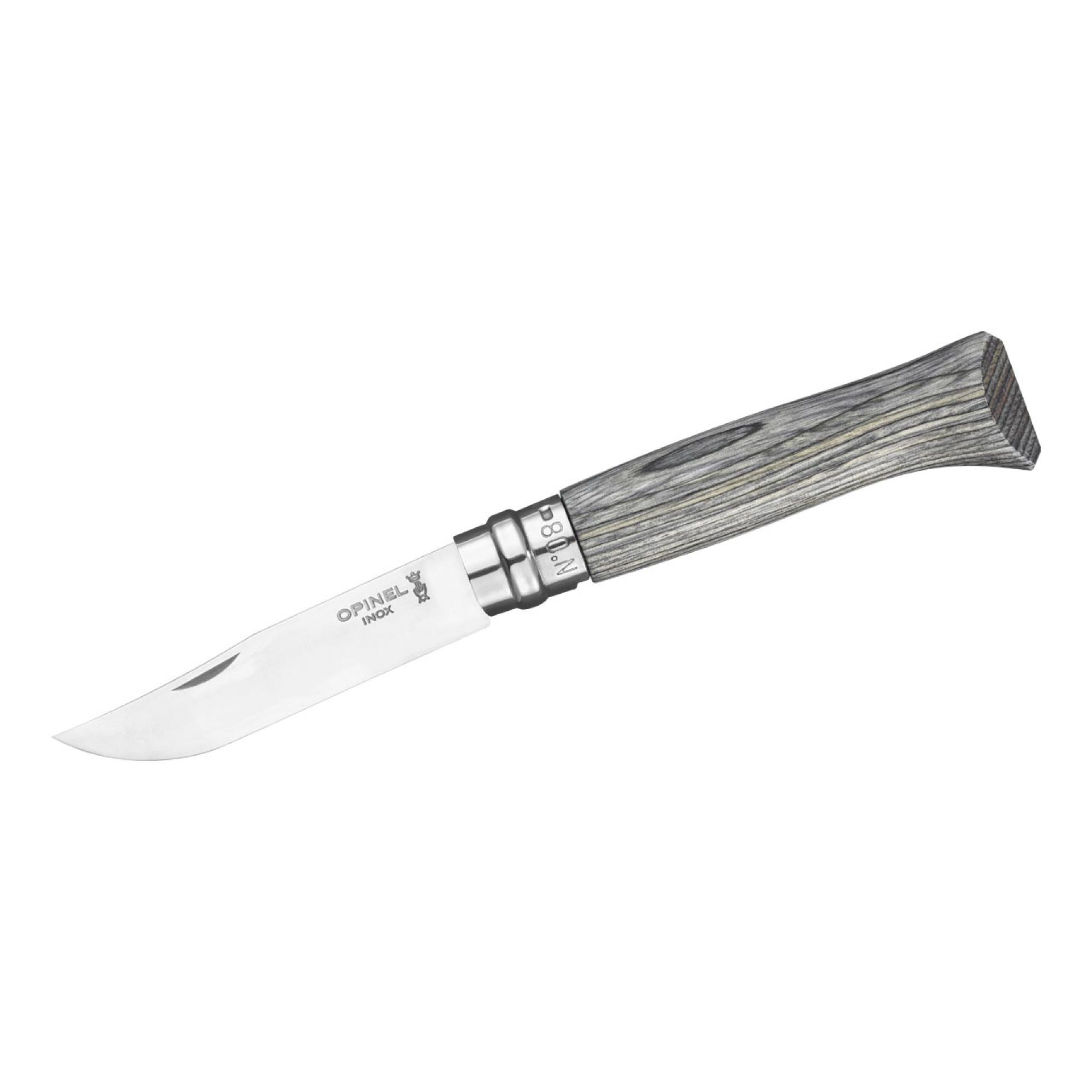
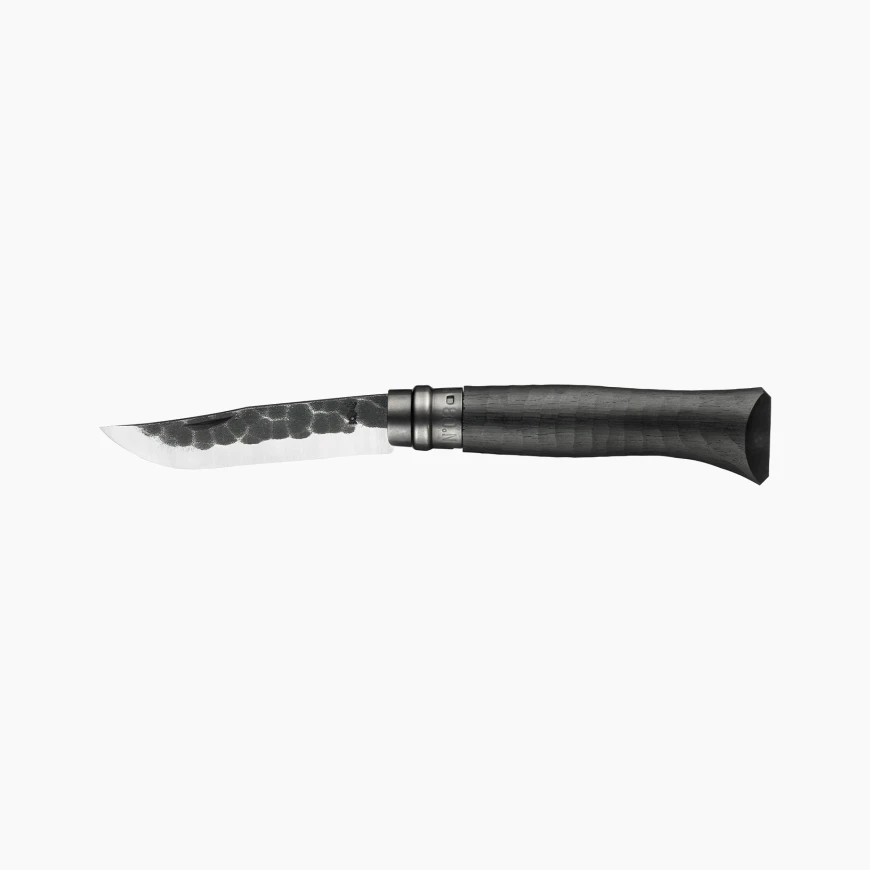
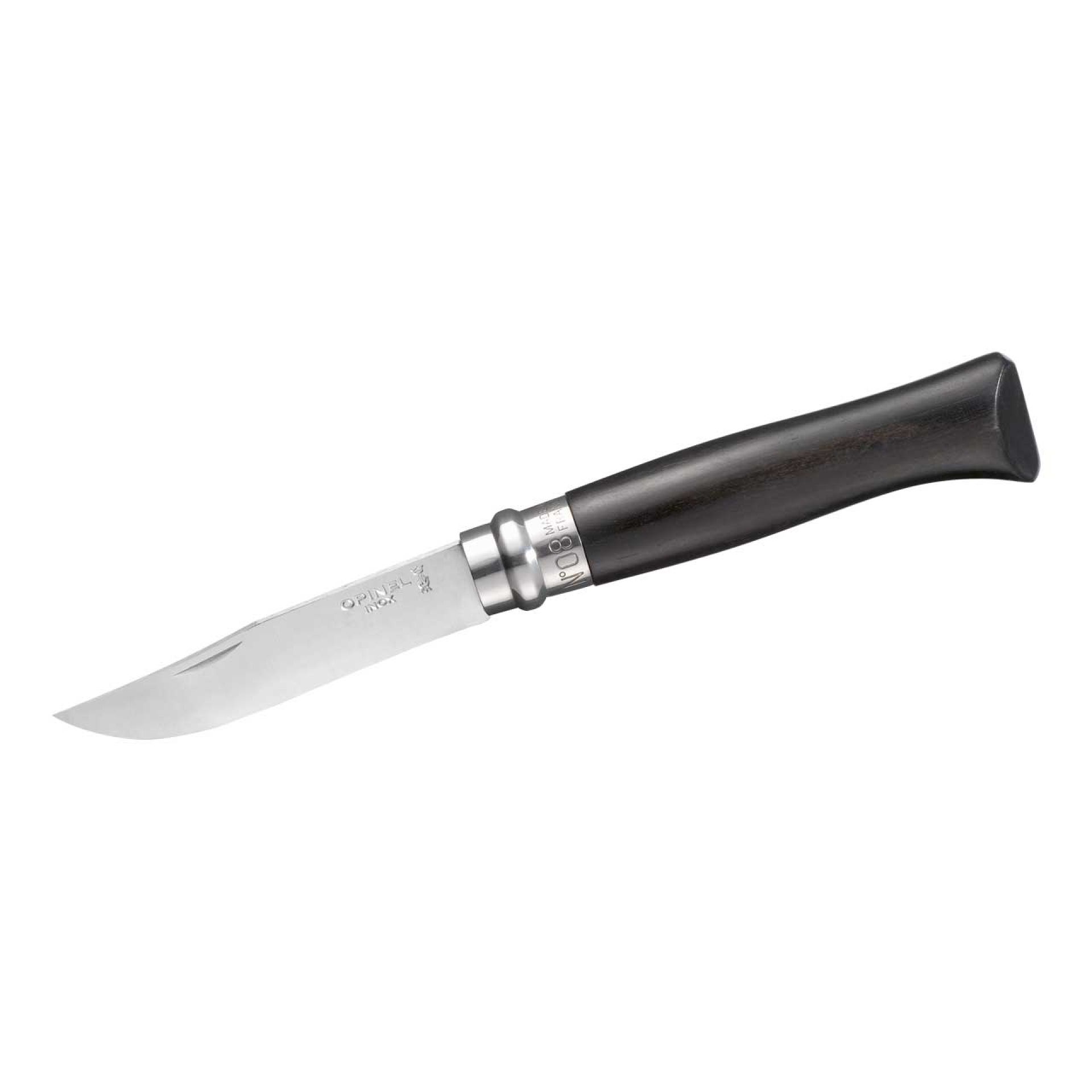
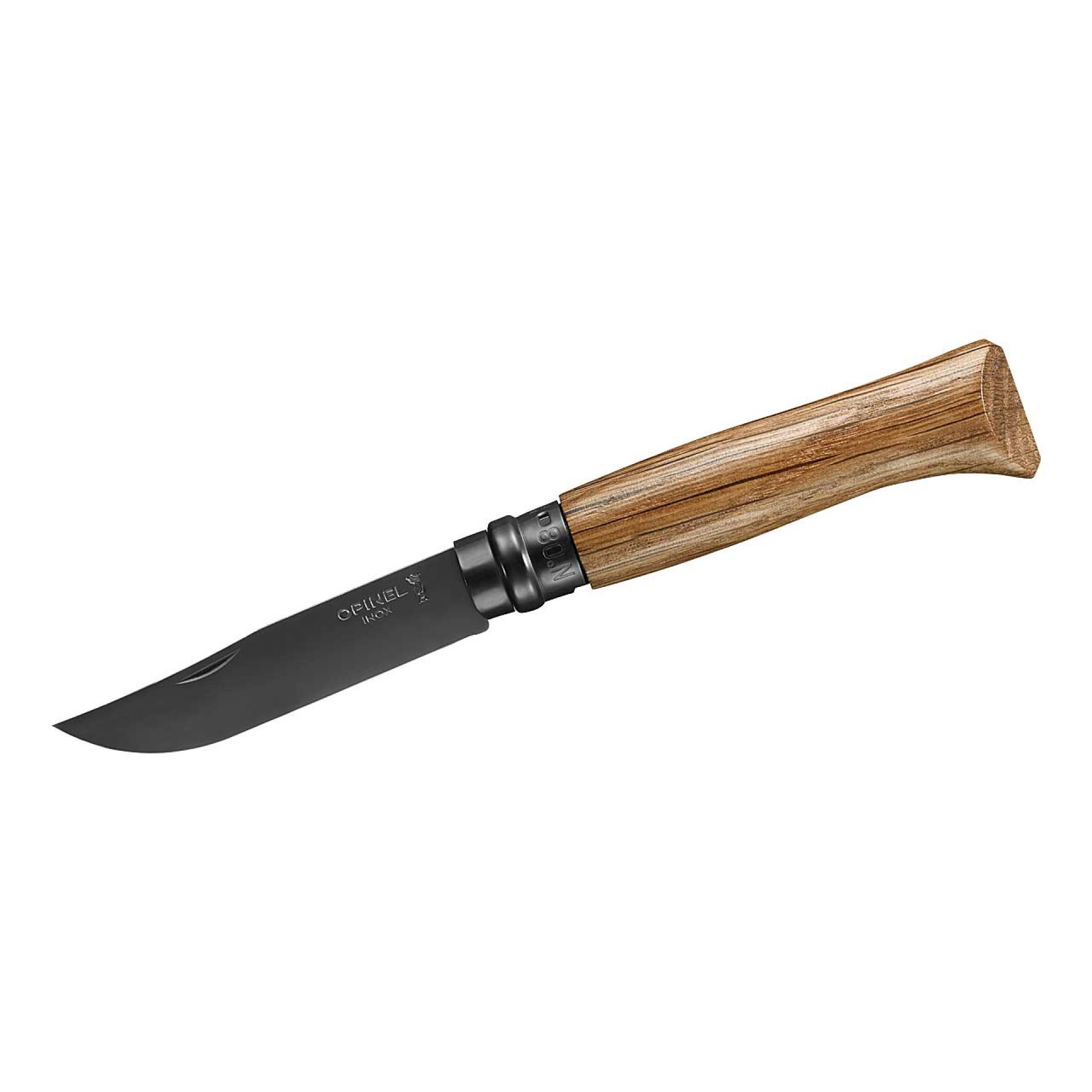
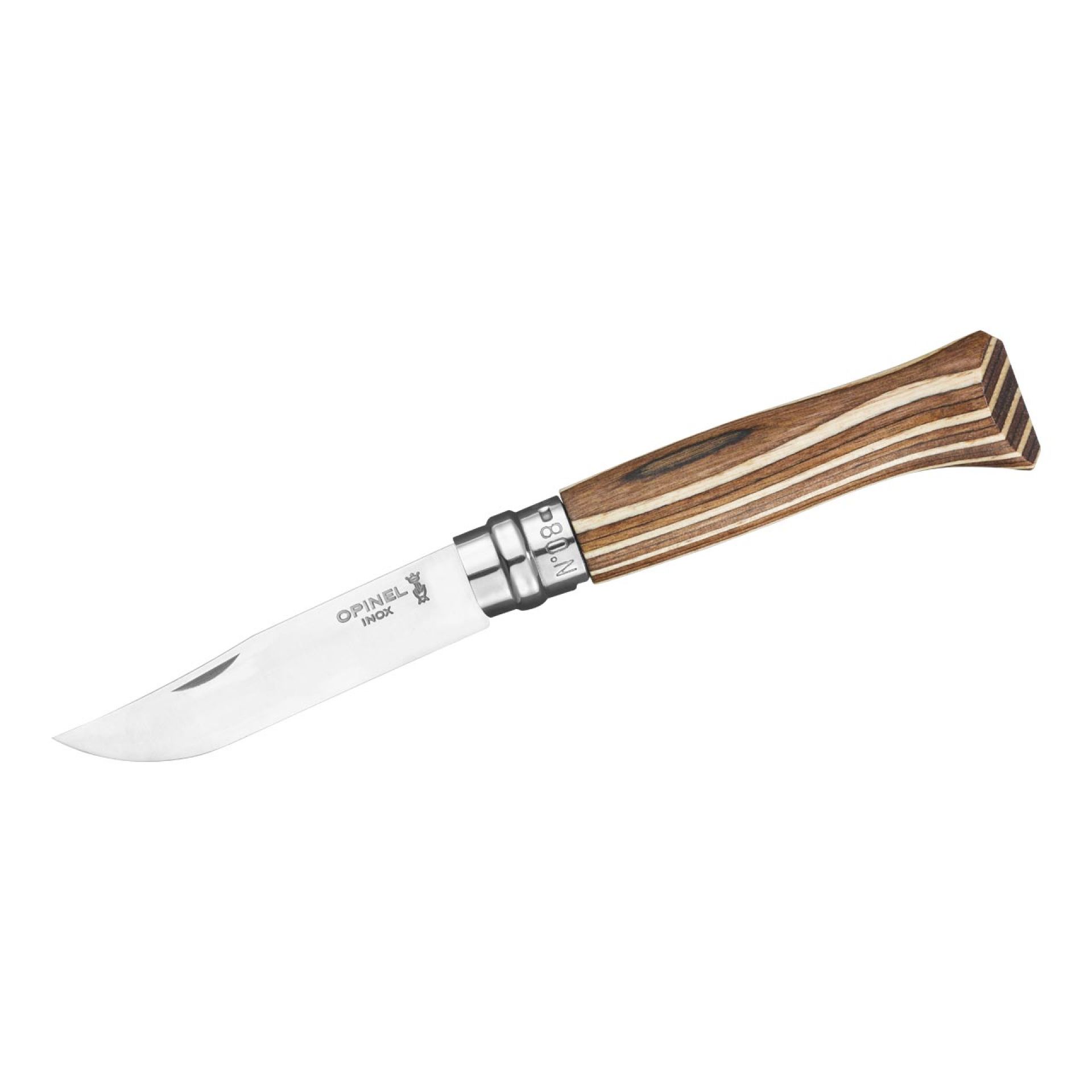
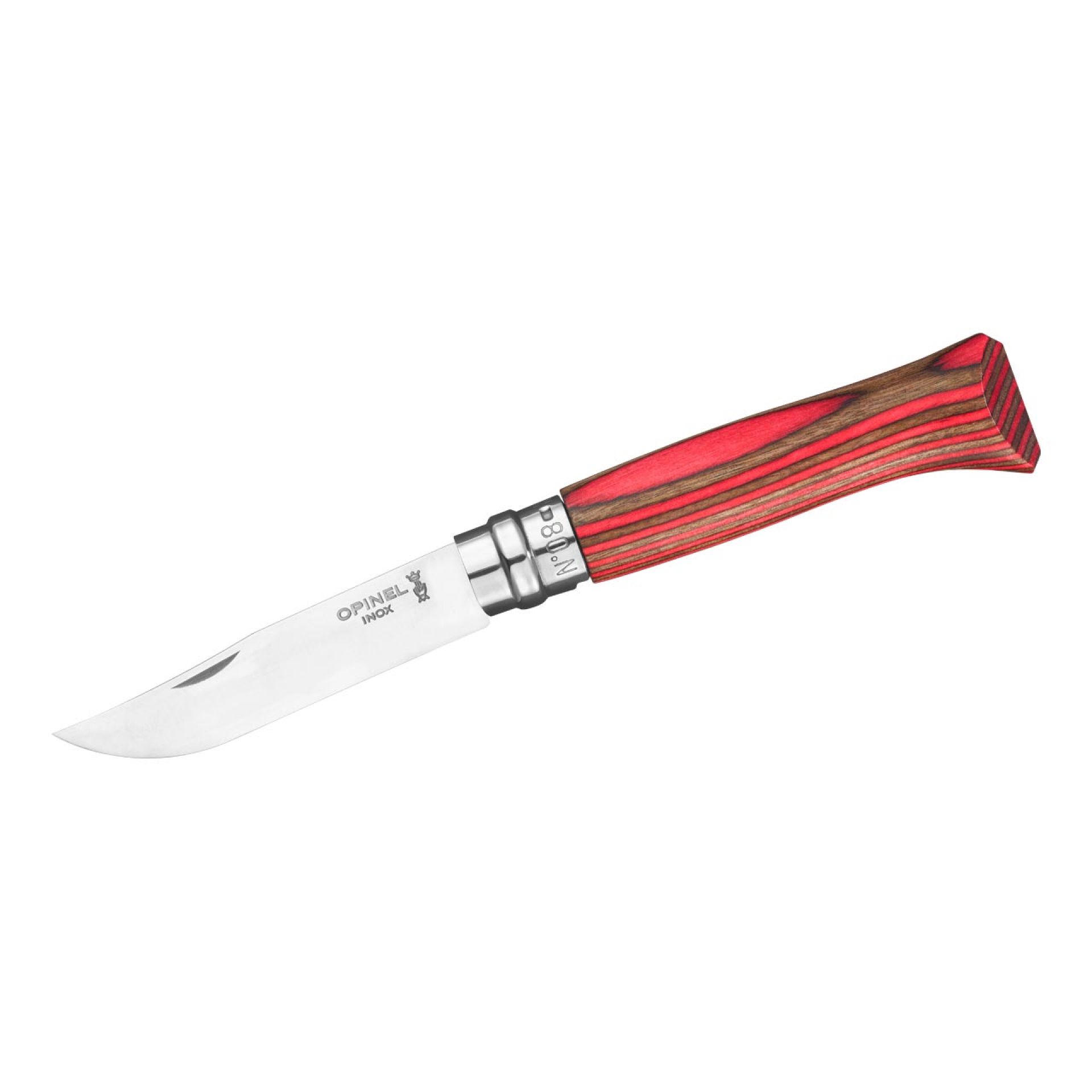
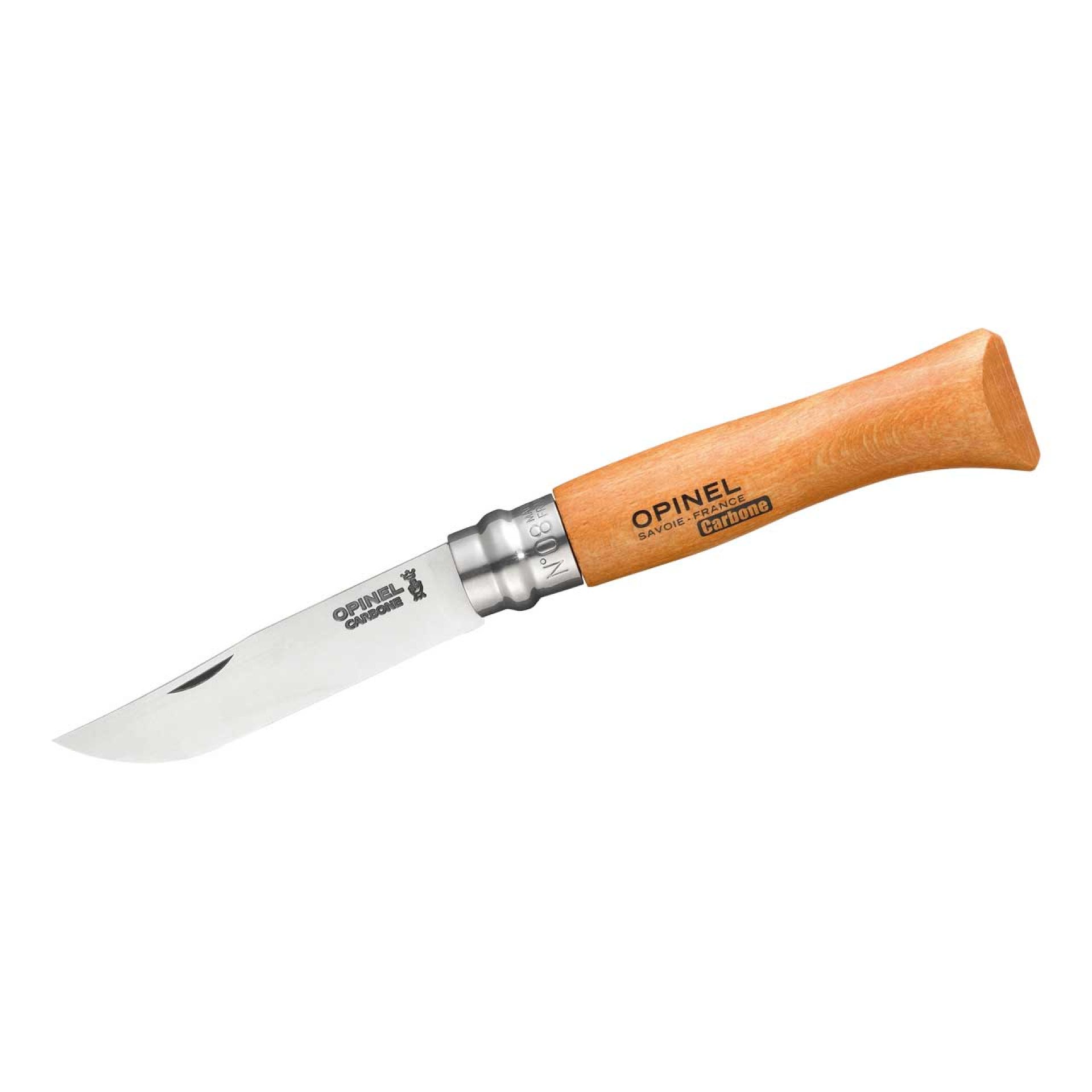
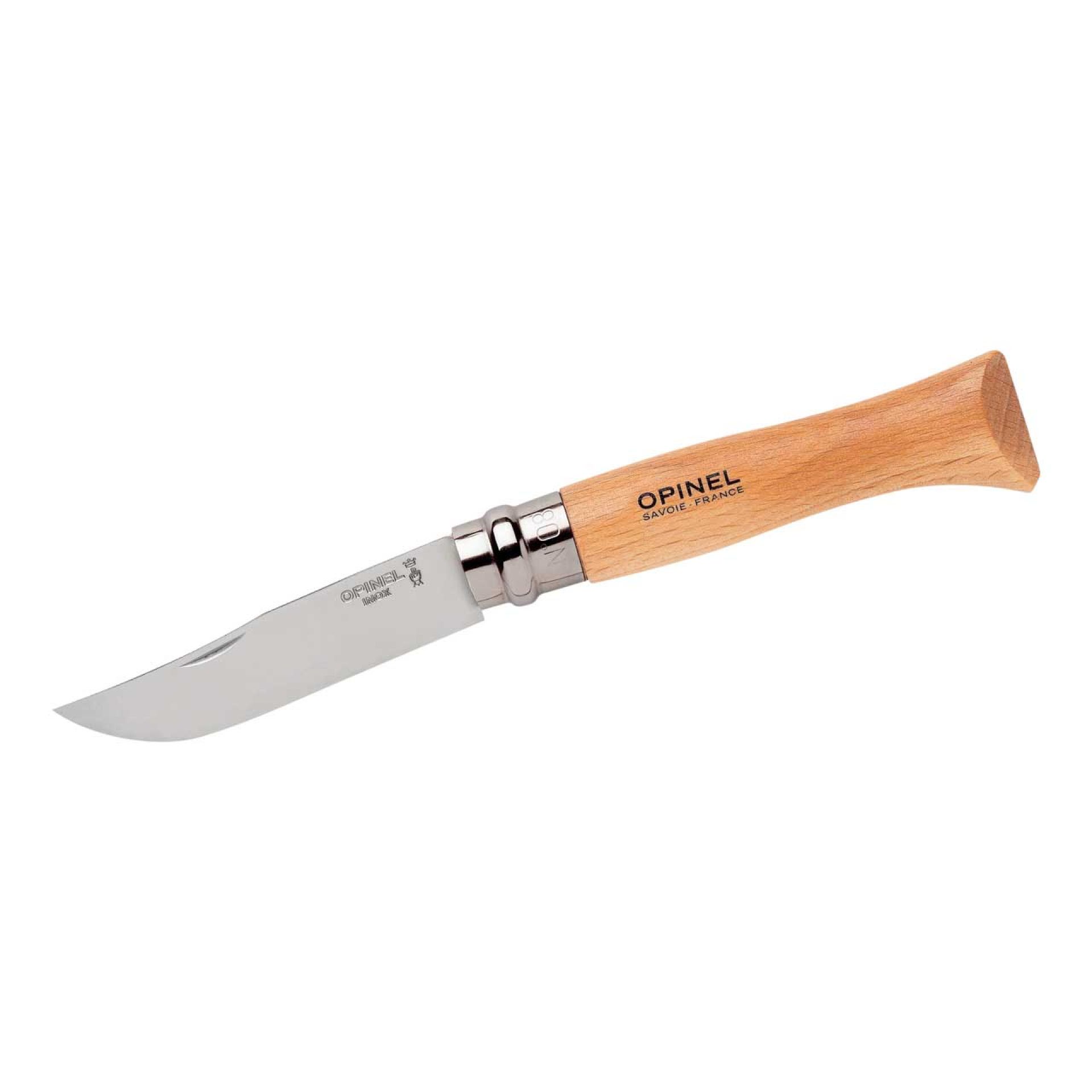
Opinel knife with a blade made of carbon steel. The one-piece handle is made of hardwood, which is protected from moisture by a special varnish.
Of course, it also features the unique Virobloc system, which allows the blade to be locked in place in a flash. To lock the blade, all you have to do is turn the locking ring.
Technical data:
| No. | Total length | Blade length | Weight | Locking system |
| 2 | 8 cm | 3,5 cm | 4 g | No |
| 3 | 9,5 cm | 4 cm | 6 g | No |
| 4 | 11,5 cm | 5 cm | 10 g | No |
| 5 | 14 cm | 6 cm | 13 g | No |
| 6 | 16,5 cm | 7,2 cm | 27 g | Yes |
| 7 | 17,7 cm | 7,7 cm | 36g | Yes |
| 8 | 19,5 cm | 8,5 cm | 47 g | Yes |
| 9 | 21 cm | 9 cm | 58 g | Yes |
| 10 | 23 cm | 10 cm | 68 | Yes |
| 12 | 28 cm | 12 cm | 108 g | Yes |
0 of 0 reviews
Average rating of 0 out of 5 stars
Risk of cuts: The most common hazard when using knives is the risk of cuts. Sharp blades can easily penetrate skin and tissue.
Blade slippage: Improper handling or applying excessive force may cause the knife to slip, leading to uncontrolled movements and potential injury.
Injuries from falling knives: Knives should never be left unsecured or placed near the edge of tables or work surfaces, as they may fall and cause injury.
Dull blades: Dull knives pose a higher risk of injury, as they require more force and are more likely to slip. Knives should therefore be sharpened regularly and properly.
Improper use: Using a knife for purposes other than its intended use (e.g. as a prying tool) can damage the blade and may result in accidents.
Similar Items
Average rating of 5 out of 5 stars